Technology is at the core of every modern business, but managing it effectively can be challenging. Companies often face a critical decision when it comes to IT management. Should they build an internal team or rely on external experts. Axis Computer Networks has helped many businesses navigate this choice by aligning IT strategies with operational goals.
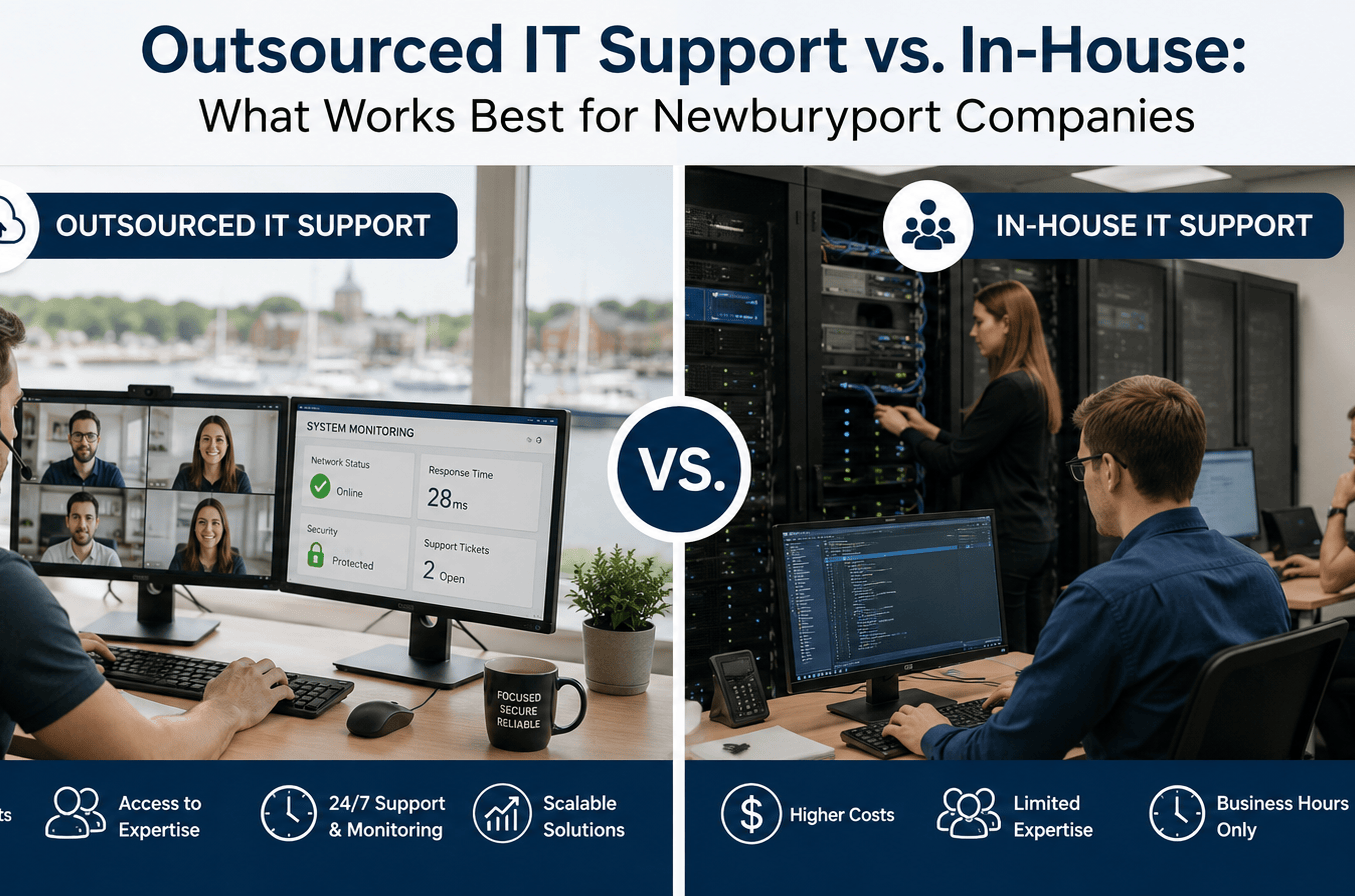
Choosing between Outsourced IT Support and an in house team is not just about cost. It is about efficiency, security, scalability, and long term growth. Each approach has its advantages, but the right decision depends on your business needs. Let us break down both options to help you make an informed choice.
Understanding the Two IT Support Models
Before comparing benefits, it is important to clearly understand how both IT models function in a real business environment. Each approach comes with its own structure, responsibilities, and level of involvement. Knowing these differences helps you evaluate which one aligns better with your operations.
An in house team works within your organization and handles day to day technical tasks. On the other hand, outsourced providers bring external expertise and often follow structured service frameworks. Both models aim to keep systems running efficiently, but their approach varies significantly.
- In house teams are dedicated employees who manage daily IT operations and provide immediate internal assistance when issues arise
- Outsourced providers deliver specialized support across multiple areas, often using advanced tools and remote monitoring systems
- Internal teams offer direct control and familiarity with company processes, making communication easier
- External teams bring broader industry exposure and proven strategies from working with multiple clients
Many businesses explore IT staffing alternatives to create a balanced approach that combines internal knowledge with external expertise.
Cost Comparison and Budget Impact
Cost plays a major role in shaping IT decisions, especially for growing businesses. Understanding the financial implications of each model helps in planning long term investments more effectively. It is not just about initial costs, but also ongoing expenses and hidden charges.
In house teams often involve higher fixed costs, while outsourced services offer more flexibility. Businesses must evaluate both short term affordability and long term value.
- Hiring internal staff includes salaries, benefits, training programs, and infrastructure expenses that can add up over time
- Outsourced services usually follow predictable pricing models, making it easier to manage budgets and avoid unexpected costs
- Internal teams may require additional investment in tools, certifications, and upgrades to stay current
- External providers typically include advanced tools and expertise within their service packages
Many organizations prefer IT support outsource solutions because they reduce operational costs while maintaining high service quality.
Access to Expertise and Skills
Technology is constantly evolving, and staying updated requires access to specialized knowledge. This is where the difference between in house and outsourced teams becomes more noticeable. Skills and expertise directly impact how efficiently issues are resolved.
Outsourced providers often have teams with diverse technical backgrounds. In contrast, internal teams may have limited exposure to complex or emerging technologies.
- External providers offer access to specialists in cybersecurity, cloud infrastructure, and network optimization
- Internal teams may focus on general support but may not have expertise in advanced or niche areas
- Outsourced teams stay updated with the latest industry trends and tools through continuous learning
- In house staff may require frequent training, which can increase costs and time investment
This makes outsourcing a strong option for businesses that need advanced technical capabilities without expanding their internal team.
Security and Risk Management
Security is one of the most critical aspects of IT management. Businesses need to protect sensitive data, prevent cyber threats, and ensure compliance with regulations. The level of security support varies depending on the chosen model.
Outsourced providers often have dedicated resources and tools for monitoring and threat prevention. Internal teams may face limitations due to budget or expertise.
- Outsourced providers implement advanced security protocols and regularly update systems to prevent vulnerabilities
- Continuous monitoring helps detect threats early and reduces the risk of major incidents
- Internal teams may struggle to maintain the same level of security due to limited resources
- External experts provide compliance support and regular system audits
The managed IT benefits of outsourcing include stronger protection, proactive monitoring, and reduced security risks.
Scalability and Flexibility
As businesses grow, their IT requirements change. Scalability becomes an important factor in ensuring that your IT support can adapt to new demands. Flexibility allows businesses to respond quickly to changes without disruption.
Outsourced services are designed to scale easily, while internal teams may require additional hiring and training.
- External providers can adjust service levels based on business needs, allowing smooth expansion or reduction
- Internal teams may find it difficult to scale quickly without increasing costs and resources
- Outsourcing supports growth without the need for major recruitment efforts
- Flexible plans ensure businesses only pay for the services they use
This adaptability makes outsourcing a practical choice for businesses planning long term growth.
Response Time and Support Availability
Quick response to technical issues is essential for maintaining productivity and minimizing downtime. The level of availability can vary significantly between in house and outsourced models.
Outsourced providers often offer round the clock support, while internal teams may be limited to working hours.
- External teams provide 24/7 monitoring and support, ensuring issues are addressed promptly
- Internal teams are usually available during standard business hours, which may delay issue resolution
- Faster response times help reduce downtime and maintain smooth operations
- Outsourced providers use advanced tools to identify and resolve problems efficiently
Reliable support ensures that businesses can operate without interruptions and maintain consistent performance.
Control and Customization
Control over IT operations is an important consideration for many businesses. Some prefer direct oversight, while others value structured processes and efficiency. Both models offer different levels of control and customization.
Understanding this balance helps businesses choose the right approach for their needs.
- Internal teams provide direct control over systems and decision making processes
- Outsourced providers follow structured service agreements that ensure consistency and accountability
- Custom solutions can be developed based on specific business requirements
- External providers offer flexibility while maintaining standardized processes
Many organizations adopt hybrid IT support to combine the benefits of both control and expertise.
Productivity and Business Focus
Managing IT internally can take valuable time and attention away from core business activities. Outsourcing allows businesses to focus on growth and strategic goals.
Reducing the burden of IT management improves overall efficiency and productivity.
- Internal teams require management, supervision, and ongoing support
- Outsourced providers handle technical tasks independently, reducing workload for internal staff
- Businesses can focus more on operations, customer service, and growth strategies
- Reduced IT challenges lead to improved efficiency and smoother workflows
Many companies rely on business IT support services to maintain productivity and streamline operations.
Choosing the Right Option for Your Business
Selecting the right IT model requires careful evaluation of your business needs, resources, and future goals. There is no single solution that works for every organization.
Taking a strategic approach helps ensure that your decision supports long term success.
- Consider budget limitations and long term financial impact before making a decision
- Assess the level of technical expertise required for your operations
- Evaluate security needs and compliance requirements
- Determine scalability and flexibility requirements for future growth
For businesses seeking reliable IT support for small business, outsourcing often provides a balanced and efficient solution.
Learn More About Professional IT Support
To understand what to expect from expert services, explore this guide:
https://axisdev.8wavescreative.com/what-to-expect-from-a-professional-it-support-services-company-in-newburyport-ma/
This resource offers valuable insights into choosing the right support provider.
Final Thoughts to Make the Smart IT Choice
Choosing between Outsourced IT Support and an in house team is a critical decision that impacts your business operations, security, and growth. Axis Computer Networks emphasizes the importance of aligning your IT strategy with your business goals to achieve the best results.
Outsourcing offers cost savings, access to expertise, and improved security, while in house teams provide control and direct oversight. Many businesses find that combining both approaches creates a flexible and effective solution. If you are ready to enhance your IT strategy and improve efficiency, contact us today to explore the right solution for your business.
Frequently Asked Questions